

What Happens When AWS Promotional Credits Expire?
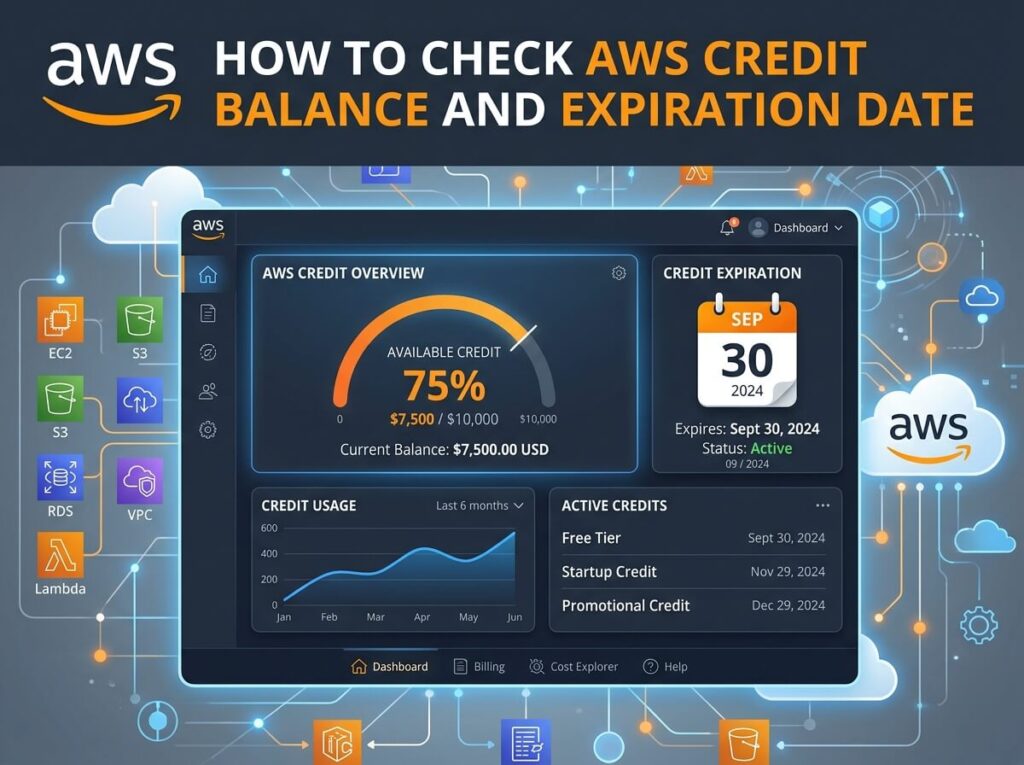
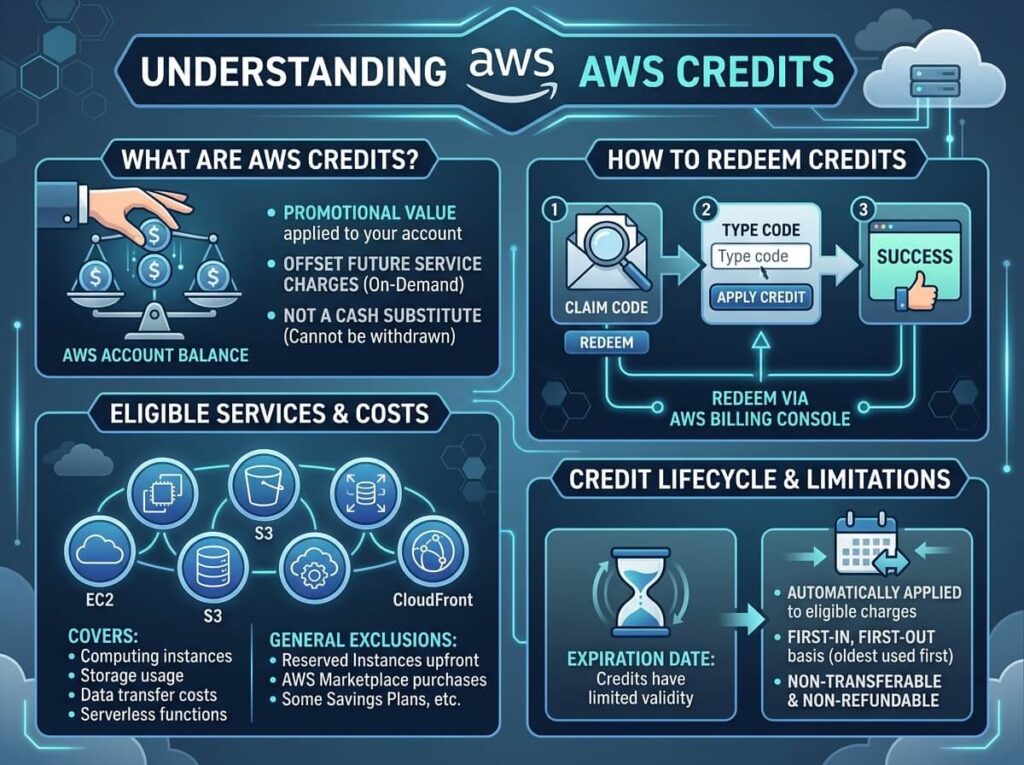
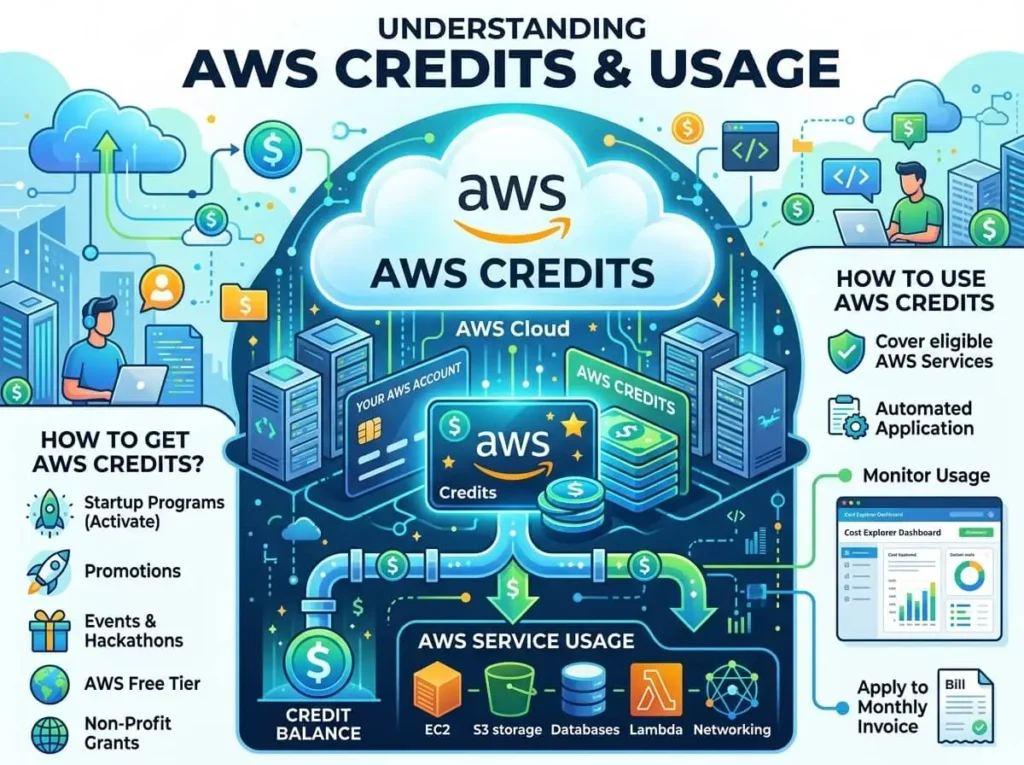
When AWS promotional credits expire, they simply vanish from your account—any unused balance is forfeited, and AWS begins charging your linked payment method for all usage at standard rates. There’s no grace period and no refund, so tracking your balance and expiration dates is the only way to avoid a surprise bill. AWS credits are a fantastic head start. Whether you scored them through a startup accelerator, an educational program, or a promotional offer, they let you build and experiment without watching every dollar. But credits don’t last forever—and when they run out or hit their expiration date, the billing reality kicks in fast. This post breaks down exactly what happens when your AWS promotional credits expire, why monitoring them matters, and three reliable methods for checking your balance and expiration dates. You’ll also find best practices for stretching your credits further and troubleshooting tips for when numbers don’t add up. Let’s make sure your next AWS invoice never catches you off guard. What are AWS credits and how do they work? AWS credits are prepaid dollar amounts applied automatically to your AWS bill. When you have an active credit balance, AWS deducts your eligible usage costs from that balance before charging your payment method. In practice, this means your monthly invoice can read $0 as long as your usage stays under your available credit. Credits come from several sources: Promotional credits: Offered through campaigns, events, or special AWS promotions. Startup credits: Provided through programs like AWS Activate for early-stage companies. Educational credits: Granted via AWS Academy, AWS Educate, or research and teaching programs. Each credit has its own rules. Some apply only to specific services (like EC2 or S3), some cover any eligible AWS service, and nearly all carry an expiration date. When multiple credits sit in your account, AWS typically applies the one expiring soonest first—which helps reduce waste, but also makes tracking trickier. What actually happens when your credits expire? Here’s the part that trips people up. When a credit reaches its expiration date, AWS removes the remaining balance immediately. That unused value is gone—it cannot be refunded, transferred, or extended. From that moment on, AWS charges your default payment method for all usage at standard on-demand rates. If you spun up resources while credits covered them—think EC2 instances, RDS databases, or NAT gateways left running—those costs now land directly on your card. Many teams discover this the hard way when a “free” test environment suddenly generates a four-figure invoice. The lesson is simple: expired credits don’t pause your infrastructure. They just stop paying for it. Why is monitoring your AWS credits essential? Keeping an eye on your credit balance and expiration dates protects your budget in three key ways. First, it helps you avoid unexpected charges. Knowing when credits expire lets you shut down or resize resources before billing shifts to your card. Second, it supports smarter resource planning. If you know you have $2,000 in credits expiring in 60 days, you can prioritize the workloads that deliver the most value during that window. Third, it improves your cloud ROI. Credits are essentially free capital for testing ideas. Monitoring them ensures you use every dollar intentionally rather than letting a balance quietly disappear. Method 1: How do you check credits in the AWS Management Console? The console is the fastest way to view your credit status. Here’s how: Sign in to the AWS Management Console. Click your account name in the top-right corner and select Billing and Cost Management. In the left navigation menu, choose Credits. Review the table showing each credit’s name, amount used, remaining balance, expiration date, and applicable services. This view gives you a clear snapshot of what’s left and when it disappears. Check it at the start of each month so nothing slips past you. Method 2: How do you retrieve credit data with the AWS Billing API? For teams that prefer automation, programmatic access lets you pull credit and cost data directly into dashboards or scripts. AWS exposes billing information through the Cost Explorer API and AWS Cost and Usage Reports (CUR). A common approach uses the AWS SDK for Python (Boto3) to query cost data: import boto3 client = boto3.client(‘ce’) # Cost Explorer client response = client.get_cost_and_usage( TimePeriod={ ‘Start’: ‘2024-01-01’, ‘End’: ‘2024-01-31′ }, Granularity=’MONTHLY’, Metrics=[‘UnblendedCost’], Filter={ ‘Dimensions’: { ‘Key’: ‘RECORD_TYPE’, ‘Values’: [‘Credit’] } } ) print(response[‘ResultsByTime’]) This filters your billing data to show credit activity for the period. Automating these checks means your team gets alerted through your own tooling—no manual login required. It’s ideal for organizations managing multiple accounts through AWS Organizations. Method 3: How do you set up billing alerts for credits? Alerts turn passive monitoring into active protection. AWS Budgets lets you create notifications tied to spending thresholds and credit consumption. To set one up: Open Billing and Cost Management and select Budgets. Choose Create budget and pick a Cost budget. Set your threshold—for example, alert when actual spend exceeds $0, which signals your credits have run dry. Add email or Amazon SNS notifications so the right people get pinged instantly. Best practices for alert thresholds: Trigger a warning when your balance drops below 20% of the original credit. Set a calendar reminder 30 days before any credit expires. Alert the moment paid usage begins, so no charge goes unnoticed. What are the best practices for managing AWS credits? Getting the most from your credits comes down to discipline and planning. Monitor on a schedule. Review your Credits page weekly, not just when a bill arrives. Front-load high-value workloads. Run the projects that benefit most from free compute while credits are active. Document allocation. If credits are shared across teams or projects, track who’s using what to prevent one team burning the entire balance. Plan for the post-credit cliff. Estimate your true monthly cost before credits expire, and budget for it. Consider Reserved Instances or Savings Plans to soften the transition. Common issues and how to troubleshoot them Even with careful tracking, credits can behave unexpectedly.
What Happens When AWS Promotional Credits Expire? Read More »